All Cucumber formats in one page

Cucumber: Bulk Ingredients

PFVN, Inc. supplies bulk cucumber ingredients for food and beverage manufacturing through a network of established processors. This page covers common formats—Juice Concentrate, NFC Juice, Powder—with buyer-friendly guidance on specs, applications, packaging, and documentation.

Available formats
Concentrate • NFC Juice • Powder
Programs
Conventional & Organic options*
Best for
RTD & beverage bases • Culinary • Dry blends

*Availability depends on origin, crop year, and processor program.

Quote-ready: format + target °Brix (if concentrate) + aroma intensity target + packaging + annual volume + ship-to + timeline + process (hot-fill/UHT/cold-fill).
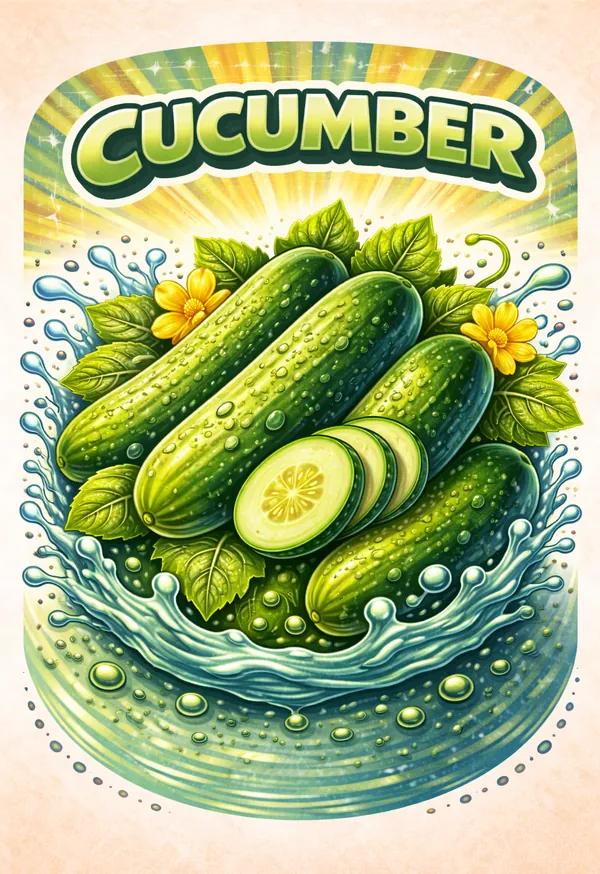
Cucumber bulk ingredients: juice concentrate, NFC cucumber juice, cucumber powder

Cucumber overview (fresh-green profile & process fit)

Cucumber ingredients are chosen for a fresh, clean, green sensory note that performs well in spa-water profiles, citrus/mint systems, and culinary formulations. Because cucumber aroma can be sensitive to processing, buyers typically align on aroma intensity, process conditions, and handling first—then lock in a program and spec sheet.

What cucumber contributes

  • Fresh-green lift: clean, “cool” sensory note for beverage and culinary systems
  • Blend-friendly: pairs with citrus, mint, melon, botanicals, and light berry systems
  • Flexibility: concentrate for efficiency, NFC for fresher cues, powder for dry systems
  • Process-dependent aroma: low heat/short hold times often preserve fresh notes better

Key buyer considerations

  • Heat load: hot-fill/UHT may mute “fresh” notes vs. cold-fill systems
  • Oxygen exposure: aroma can shift with air pickup and long holds
  • Still vs. carbonated: carbonation can change perception of green notes
  • Format logistics: ambient vs. chilled/frozen requirements vary by program

Tip: If “fresh cucumber aroma” is critical, tell us your filling method, heat/hold time, and target dosage range. We’ll guide you to the best-fit format and program.

Available formats

Cucumber Juice Concentrate

Juice concentrate is produced by removing water to increase soluble solids (°Brix). It is commonly selected for logistics efficiency, repeatable blending, and controlled dosing in beverage bases.

What buyers specify

  • Target °Brix (program-dependent)
  • Aroma intensity expectations and acceptable range
  • Acidity / pH range (if applicable to your system)
  • Clarity preference: clarified vs. pulpy (where applicable)
  • Micro limits, shelf-life expectations, and storage conditions
  • Packaging: drums/totes; ambient/chilled/frozen program-dependent

Typical applications

  • RTD waters and beverage bases
  • Citrus + cucumber “spa” profiles
  • Mocktails/cocktail mixers and syrups
  • Foodservice beverage programs

Tip: If you’re carbonating, mention it—carbonation can change perceived “green” intensity and required dosage.

NFC Cucumber Juice

Not-From-Concentrate single-strength juice is typically selected when a fresher sensory profile is the priority. Programs are commonly shipped chilled or frozen depending on supplier.

What buyers specify

  • Single-strength specification (solids, sensory profile)
  • Chilled vs. frozen logistics and shelf-life targets
  • Micro targets aligned to intended use
  • Clarity/pulp expectations (where applicable)
  • Certifications (e.g., USDA Organic) where available

Typical applications

  • Premium beverages and fresh-profile blends
  • Cold-fill or low-heat beverage systems
  • Botanical-forward and clean-label style programs
  • Culinary bases where a fresh cue matters

Buyer tip: Share your process. NFC is often best suited to cold-chain or low-heat programs aiming to preserve aroma.

Cucumber Powder

Powder format is used when you need low water activity and dry handling for seasoning systems, dry culinary blends, and instant applications. Programs can be carrier-based (program-dependent).

What buyers specify

  • Carrier system (if applicable) and flow/caking performance
  • Solubility/dispersibility (if reconstituting)
  • Flavor intensity expectations (fresh/green vs. more vegetal)
  • Moisture and microbiology limits
  • Packaging format and shelf-life targets

Typical applications

  • Seasoning blends and snack systems
  • Instant mixes and dry beverage systems
  • Dry culinary blends and meal kits
  • Functional powders (program-dependent)

Tip: If you need minimal caking, specify storage humidity/temperature and desired flow behavior. Powders can be hygroscopic.

Quick selection guide: which format fits your product?

Use this to shortlist based on process, handling, and sensory goals.

Goal Recommended format Why
Shipping efficiency + repeatable dosing Juice concentrate Higher solids support efficient logistics and controlled blending for consistent flavor intensity.
Fresh-profile sensory cues NFC juice Often preferred when “fresh cucumber” aroma is a priority (program-dependent; cold chain may apply).
Dry handling / low water activity Powder Ideal for seasoning systems, dry blends, and instant applications with simple dry dosing.
Hot-fill/UHT beverage Usually concentrate (confirm program) Heat can reduce fresh notes; align expectations and dosage early based on your process and target sensory.

Buyer tip: Tell us if your product is still or carbonated. Carbonation can shift perceived “green” intensity and dosage needs.

Typical specifications (what to ask for)

Specs vary by format and program; this checklist helps your team align quickly.

ParameterHow it’s typically specified
Soluble solids (°Brix)Define target °Brix for concentrate; NFC usually follows single-strength program specs.
Aroma intensityAgree on intensity target and acceptable range; share reference product if possible.
pH / acidityTarget range if relevant to your system (beverage stability, flavor balance).
Clarity / pulpClarified vs. pulpy where applicable; impacts mouthfeel and processing.
MicrobiologyLimits per intended use (RTD beverage, culinary, dry systems).
CertificationsUSDA Organic / Kosher / others upon request (where available).
PackagingDrums/totes for liquids; lined cases/bags for powders (format dependent).
StorageAmbient/chilled/frozen depending on format and program.

Tip: For beverages, include target dosage range and whether the base is still or carbonated. This speeds up format and program selection.

Applications

Common application paths for cucumber ingredients include:

  • Beverages: RTD waters, lemonades, soda bases, functional drinks, cocktail/mocktail bases
  • Culinary: dressings, marinades, cold sauces, savory blends
  • Dry systems: seasoning blends, snack systems, instant mixes
  • Blends: citrus, mint, melon, botanical-forward profiles

Tip: Tell us your end product and process (heat/hold time). We can suggest the best format and a buyer-friendly spec outline.

Packaging & storage guidance

Packaging: Drums and totes are common for concentrates and NFC programs; powders ship in lined cases or bags.

Storage: Concentrates may ship ambient, chilled, or frozen depending on program. NFC often requires cold chain. Powders are typically stored ambient in a cool, dry environment.

Documentation: COA and supporting quality documents are typically available. If you need USDA Organic, Kosher, allergen statements, or additional testing, mention it in your inquiry.

Traceability: Industrial programs often include lot IDs and origin information; requirements vary by supplier.

Receiving checklist: verify temperature (if chilled/frozen), inspect packaging integrity, sample per QA plan, and release lots against COA.

Related products

If you’re building blends or multi-item programs, these are commonly sourced alongside cucumber: