Bulk green grape formats for manufacturing

Green Grape Ingredients (Bulk)

Source bulk green grape ingredients for food and beverage manufacturing through PFVN, Inc.’s network of established processors. This page summarizes key options—Juice Concentrate, NFC Juice, and Frozen— with buyer-ready guidance on specifications, applications, packaging, and quality documentation.

Available formats
Concentrate • NFC • Frozen
Programs
Conventional & Organic options*
Best for
Beverage • Dairy • Bakery • Culinary

*Availability depends on origin, crop year, specification, and processor program. Ask us what’s currently available for your destination and timeline.

Fast scoping: Share your end product (clear sparkling beverage, juice blend, dairy base, bakery filling) and process (pasteurized/UHT/retort). We’ll recommend a format and a spec outline aligned to your line—especially clarity/turbidity requirements.
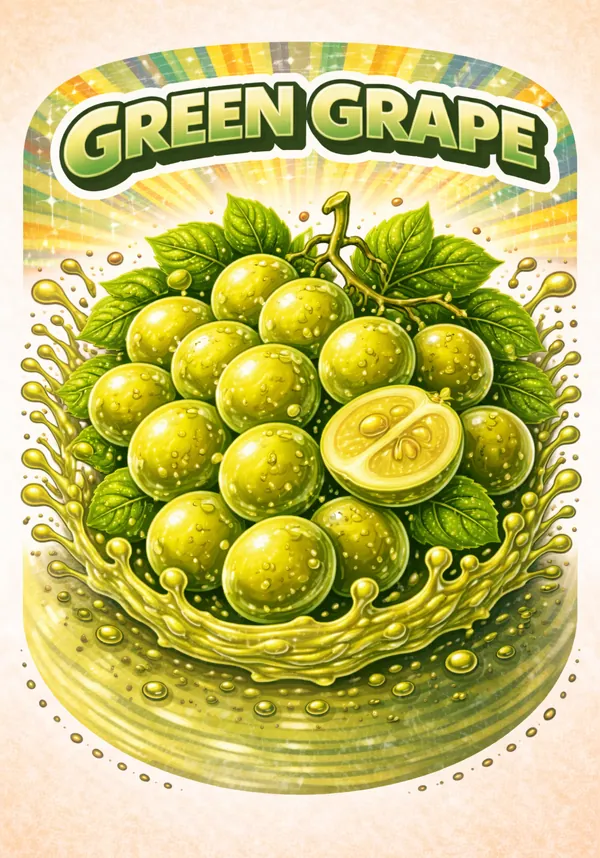
Bulk green grape ingredient formats: concentrate, NFC juice, frozen

Green grape ingredient overview

Green grape ingredients deliver a clean, bright grape profile and help with sweetness perception and acidity balance in beverage and food systems. In formulation, green grape can provide:

  • Flavor: light, clean grape character that blends well with citrus, tropical, and botanical systems.
  • Sweetness perception: supports rounding and flavor “lift” in blends (program-dependent).
  • Clarity control: many programs emphasize clarified juice/concentrate for clear RTDs and sparkling applications.

When to choose each format

  • Concentrate: logistics efficiency + flexible dosing for RTD bases, syrups, and blending.
  • NFC: single-strength sensory for premium beverages and clean-label programs (cold chain planning required).
  • Frozen: minimal processing options for smoothies, desserts, and culinary systems (cold chain required).

Common blend partners

  • Citrus lift: lemon, lime, grapefruit (brightness and refreshment).
  • Tropical: pineapple, mango, passion fruit (rounding and sweetness perception).
  • Botanical/tea: mint, basil, green tea (premium RTD positioning).
  • Stone fruit: peach, apricot (soft, aromatic blends).

Clarity note: If your finished product must be crystal-clear, share turbidity targets and filtration/pasteurization conditions so the right clarified program can be selected.

Available green grape formats

Green Grape Juice Concentrate

Juice concentrate is produced by removing water to raise soluble solids (°Brix). Green grape concentrate is often supplied clarified for clean appearance in beverages; pulpy/cloudy options depend on program.

What buyers specify

  • Target °Brix (program-dependent; specify a range or minimum)
  • Clarity/turbidity target (especially for clear RTDs and sparkling beverages)
  • pH / titratable acidity range aligned to your formulation
  • Sensory: “clean grape,” sweetness perception, off-note exclusions
  • Micro limits, shelf-life target, and storage lane (ambient/chilled/frozen)
  • Packaging: drums/totes and pallet configuration

Typical applications

  • RTD beverages, soda syrups, lemonade/tea blends
  • Flavor bases and blending systems
  • Sweetness + flavor adjustment in multi-fruit programs
  • Fermentation inputs (program/application dependent)

Formulation note: Concentrate is ideal for consistent dosing and freight efficiency. For clear beverages, clarify/turbidity requirements should be defined early.

Green Grape NFC Juice

Not-From-Concentrate (NFC) green grape juice is typically single-strength and supplied chilled or frozen to preserve a fresher sensory profile. NFC is often selected for premium positioning and clean-label beverage formulations.

What buyers specify

  • Single-strength solids, pH, and acidity range
  • Chilled vs. frozen logistics and shelf-life target
  • Filtration approach (clear vs. cloudy) + turbidity target
  • Micro targets aligned to your thermal process
  • Certifications (e.g., USDA Organic) where available

Typical applications

  • Premium juices and juice blends
  • Clean-label beverage bases
  • Dairy and smoothie bases (as applicable)
  • Seasonal/origin-specific programs

Tip: If you need a “fresh juice” profile or want to minimize concentrate notes, NFC is typically a better fit—but plan cold chain from origin to receiving.

Frozen Green Grape

Frozen green grape programs support year-round production while protecting fruit character. Options can include IQF fruit, blocks, or frozen puree depending on supplier and application.

What buyers specify

  • Form: IQF whole, pieces, blocks, or frozen puree (program-dependent)
  • Defects/foreign material expectations + sorting level
  • Micro limits and lot traceability (especially for minimally heated uses)
  • Pack style: bag-in-box, poly-lined cases, foodservice packs
  • Cold chain: storage temperature and transit requirements

Typical applications

  • Smoothies and smoothie bases
  • Frozen desserts and inclusions
  • Culinary sauces, reductions, and prep systems
  • Low-heat processes where fresh notes matter

Tip: If you’re using frozen fruit in beverage bases, specify filtration limits and whether skins/particles are acceptable.

Typical specifications (what to ask for)

Specs vary by origin and processor program. Use this checklist to align procurement, QA, and R&D quickly. If you share your end product and process, we’ll narrow the spec to what matters most.

Parameter How it’s typically specified
Soluble solids (°Brix) Defined per format (concentrate vs. NFC vs. frozen program). Specify target range or minimum.
pH / acidity Target range based on flavor profile and processing. Important for shelf life and sensory balance.
Clarity / turbidity Clarified vs. cloudy expectations; define turbidity targets for clear RTDs and sparkling beverages.
Sensory profile “Clean grape” target, sweetness perception, off-note exclusions, and any color limits.
Microbiology Limits depend on intended use (RTD, dairy, frozen). Request a standard aligned to your process.
Certifications USDA Organic / Kosher / others upon request (where available).
Packaging Drums/totes for liquids; frozen-rated packaging for frozen items. Confirm pallet configuration.
Storage & shelf life Ambient/chilled/frozen depending on format and program. Confirm temperature and remaining shelf life at ship.
Traceability Lot IDs, origin/country of origin, crop year (if required), retain sample expectations (if needed).

Guidance only: Single-strength grape juices often fall in the mid-teens °Brix range; concentrates are high-Brix products. Confirm final values on the COA for each lot.

Applications by category

Common manufacturing uses for green grape ingredients:

  • Beverages: RTD juices, sparkling beverages, lemonades, soda bases, functional drinks
  • Dairy: drinkable yogurt bases, frozen desserts (program-dependent)
  • Bakery: fillings, glazes, fruit layers, breakfast items
  • Confectionery: gummies, candies, syrups, flavor bases
  • Culinary: sauces, marinades, dressings, sweet-sour blends
  • Fermentation: cider/seltzer/wine adjuncts where applicable

Buyer tip: Share your clarity requirement (clear vs. cloudy), target fruit %, and pH/acid system—this determines the most cost-effective green grape format.

Quick rule: Concentrate for efficiency, NFC for premium sensory, frozen for minimal processing.

Processing & stability notes (especially for clear beverages)

Clarity behavior: If your finished product must be clear, define turbidity targets, filtration approach, and whether you can tolerate haze over shelf life. Program selection (clarified concentrate vs. cloudy NFC) and your heat step can influence clarity.

Flavor optimization: Green grape can read more “fresh” in NFC and more “base note” in some concentrates depending on process. Matching the ingredient to your pasteurization/UHT conditions helps preserve desired top notes.

Sweetness & acidity balance: Grape systems can shift perceived sweetness depending on acid system and carbonation. Share your target pH and carbonation level for best alignment.

Crop variation: Natural variation occurs across origins and crop years. Define acceptable ranges and consider pre-shipment approval for sensory-critical launches.

Packaging & storage guidance

Packaging: Concentrates and NFC juices commonly ship in drums or totes. Frozen programs require frozen-rated packaging and palletization.

Storage: Depending on program, concentrates may ship ambient, chilled, or frozen. NFC and frozen formats generally require cold chain. Confirm temperatures and shelf life for your receiving plan.

Documentation: COA and supporting quality documents are typically available. If you need USDA Organic, Kosher, allergen statements, pesticides/heavy metals, or additional testing, include it in your inquiry so the right program is quoted.

Traceability: Industrial programs generally include lot IDs and origin details. If you require enhanced traceability, specify it upfront.

Quote-ready message: Format + target °Brix + pH/acidity + clarity/turbidity requirement + packaging (drum/tote) + annual volume + ship-to + lane (ambient/chilled/frozen) + process (pasteurized/UHT/retort/bake) + timeline.

Green grape FAQ

Use clarified concentrate when you need dosing efficiency and consistent clarity. Choose NFC when single-strength sensory matters most and cold chain is feasible—confirm turbidity targets either way.

Start with format, °Brix, pH/acidity, and clarity/turbidity requirements, plus packaging, volume, destination, and timeline.

Choose NFC when premium sensory and “fresh juice” positioning are critical. Choose concentrate for logistics efficiency, consistent dosing, and cost-effective blending.

Related products

If you’re building multi-fruit programs or blend systems, these ingredients are commonly sourced alongside green grape: