All Broccoli formats in one page

Broccoli: Bulk Ingredients

PFVN, Inc. supplies bulk broccoli ingredients for food manufacturing through a network of established processors. This page covers common formats—Frozen, Powder, Puree—with buyer-focused guidance on specifications, applications, packaging, and documentation.

Available formats
Frozen • Powder • Puree
Programs
Conventional & Organic options*
Best for
Soups • Sauces • Prepared Meals • Snacks • Nutrition

*Availability depends on the specific item, crop year, origin, and processor program.

Quote-ready: format + cut/sieve + color target + micro limits + packaging + annual volume + ship-to + timeline.
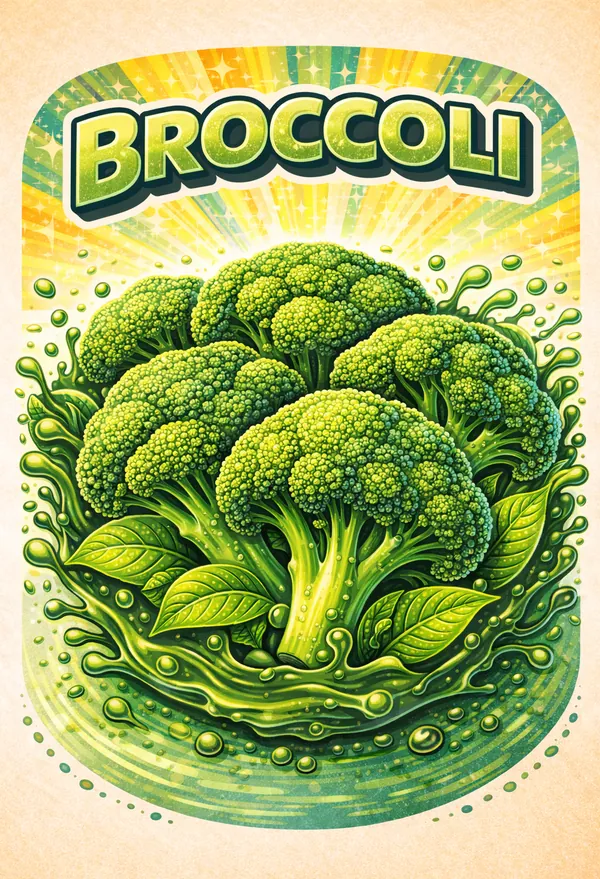
Broccoli ingredient formats: frozen broccoli, broccoli puree, broccoli powder

Broccoli overview (what it adds and how it behaves)

Broccoli is a functional vegetable ingredient used for savory green flavor, vegetable identity, and “better-for-you” positioning in soups, sauces, prepared meals, snacks, and nutrition blends. For buyers, the main considerations are cut/particle size, color retention, and flavor control (especially in heat-processed products).

What broccoli contributes

  • Savory profile: green, cruciferous notes that support vegetable-forward formulations
  • Color cues: light-to-medium green depending on processing and program
  • Texture options: visible florets/cuts (frozen) or smooth dispersion (puree/powder)
  • Nutrition positioning: commonly used in “greens” blends and vegetable-enriched recipes

Performance considerations

  • Flavor impact: cruciferous notes can intensify with heat—define acceptable limits
  • Color stability: over-processing can dull green color; oxygen exposure can accelerate fading
  • Powder handling: moisture and flow matter in dry blends; define dispersibility if reconstituting
  • Puree texture: sieve/particle size drives mouthfeel and line performance

Buyer tip: Share your process (kettle cook, retort, hot-fill, frozen, baked). Broccoli’s flavor and color can change with time/temperature.

Choose the right broccoli format

Match format to whether you need visible vegetable identity, smooth dispersion, or dry handling.

Format Why buyers choose it Best fit applications Lane
Frozen (IQF/Cuts/Blocks) Visible broccoli identity; batch flexibility; year-round availability. Prepared meals, foodservice sides, meal kits, vegetable blends. Frozen
Puree (Aseptic/Frozen) Smooth texture; consistent dosing; fast dispersion in wet systems. Soups, sauces, dips, fillings, baby/kids products (program-dependent). Aseptic / Frozen (program-dependent)
Powder Dry handling; low water activity; long shelf life; easy blending. Dry soup/sauce mixes, seasonings, snacks, pasta/extrusion, functional blends. Ambient

Quick QA shortcut: share your target usage rate and process (retort/hot-fill/bake/frozen). We’ll align the program to your flavor and color targets.

Available formats

Frozen Broccoli

Frozen broccoli offers year-round supply and visible vegetable identity. Programs commonly include IQF florets, spears, cuts, and blocks depending on processor.

What buyers specify

  • Form: florets, spears, cuts, or blocks (program-dependent)
  • Cut size / count spec (uniformity matters for cook performance)
  • Defects/foreign material limits + sorting level
  • Micro specs and lot traceability
  • Packaging and pallet configuration + cold-chain requirements

Typical applications

  • Prepared meals and frozen entrées
  • Soups, sauces, and vegetable-forward dishes
  • Foodservice sides and meal kits
  • Blends with other vegetables (carrot, corn, cauliflower, etc.)

Tip: If you use broccoli as a visible inclusion, specify target floret size and acceptable broken % to reduce line variability.

Broccoli Powder

Broccoli powder is selected for dry handling and vegetable enrichment in low-moisture systems. It can support “greens” positioning while simplifying storage and dosing versus fresh or frozen broccoli.

What buyers specify

  • Particle size / mesh (affects mouthfeel and blend uniformity)
  • Moisture target and flow properties (caking sensitivity)
  • Flavor intensity (cruciferous notes) and color expectation
  • Dispersibility if reconstituting into liquids
  • Micro limits; packaging and shelf-life targets

Typical applications

  • Soup and sauce dry mixes
  • Seasonings, snacks, and savory powders
  • Pasta, extruded snacks, and bakery mixes
  • Functional “greens” blends and supplements (program-dependent)

Buyer tip: Tell us whether you prioritize milder flavor, stronger green color, or maximum veggie character. Powder programs can optimize differently.

Broccoli Puree

Broccoli puree provides smooth dispersion and consistent dosing in soups, sauces, prepared meals, and nutrition products. Programs may be supplied as aseptic or frozen depending on processor and intended use.

What buyers specify

  • Solids % (or °Brix where applicable) and pH target range
  • Particle size / sieve spec (smooth vs. rustic texture)
  • Color expectation (green intensity) and flavor limits
  • Heat treatment / aseptic requirements (as applicable)
  • Micro limits and shelf-life expectations
  • Packaging: drums/totes/aseptic bags; storage conditions

Typical applications

  • Soups, sauces, dips, and spreads
  • Prepared meals and fillings (savory systems)
  • Baby food and kids nutrition (program-dependent)
  • Smoothies and vegetable blends (where appropriate)

Tip: If you need a very smooth puree for baby food or beverages, specify a tighter sieve requirement and your thermal process.

Quick selection guide: which broccoli format fits your product?

Broccoli can be used as a visible vegetable inclusion or as a functional “greens” component. This guide helps you choose the right format.

Goal Recommended format Why
Visible vegetable identity Frozen (IQF florets/cuts) Maintains recognizable broccoli pieces in prepared meals and foodservice.
Smooth dispersion + consistent dosing Puree (aseptic/frozen) Fast incorporation into soups, sauces, dips, and nutrition products.
Dry handling + long shelf life Powder Ideal for dry mixes, seasonings, snacks, and functional blends.

Buyer tip: If broccoli flavor needs to be subtle, share your target usage rate and process. We can recommend a program that fits your sensory goals.

Typical specifications (what to ask for)

Specs vary by format and program; this checklist helps your team align quickly.

ParameterHow it’s typically specified
Cut / form (Frozen) Florets/spears/cuts/blocks, size range, broken % tolerance, defects/foreign material limits.
Solids / pH (Puree) Solids % (or °Brix where applicable) and pH range aligned to your recipe and process.
Sieve / particle size (Puree) Sieve spec based on mouthfeel and application (smooth vs. rustic).
Moisture / flow (Powder) Moisture target, flowability/caking tolerance, particle size/mesh.
Color / flavor Green intensity and acceptable flavor limits (cruciferous notes), with an agreed sensory reference.
Microbiology Limits per program and intended use (ready-to-eat vs. cooked). Align to your QA standards.
Certifications USDA Organic / Kosher / others upon request (where available).
Packaging Frozen cases for IQF; drums/totes/aseptic bags for puree; lined cases/bags for powder.
Storage Frozen for IQF; puree program-dependent (ambient if aseptic, otherwise frozen/chilled); powder typically ambient and dry.

Applications

Common application paths for broccoli ingredients include:

  • Soups & sauces: broccoli cheddar soup bases, cream soups, sauces, and meal components
  • Prepared meals: frozen entrées, casseroles, rice bowls, meal kits
  • Snacks & seasonings: savory powders, extruded snacks, crackers, seasoning systems
  • Nutrition: “greens” blends, vegetable enrichment in functional mixes (program-dependent)
  • Baby & kids: purees and blended meals (program-dependent)
  • Culinary: dips, spreads, fillings, marinades, and savory blends

Tip: Tell us your end product and whether you want visible broccoli or smooth dispersion. We’ll recommend the best format and a spec outline.

Packaging & storage guidance

Packaging: Frozen broccoli is commonly shipped in cases; puree can be supplied in drums, totes, or aseptic bags (program-dependent); powders ship in lined cases or bags.

Storage: Frozen requires cold chain. Powder is typically stored ambient in a dry environment. Puree storage depends on whether the program is aseptic, chilled, or frozen.

Documentation: COA and supporting quality documents are typically available. If you need USDA Organic, Kosher, allergen statements, or additional testing, mention it in your inquiry.

Traceability: Industrial programs often include lot IDs and origin information; requirements vary by supplier.

Receiving checklist: verify temperature for frozen items, check packaging integrity, sample per QA plan, and hold/release against COA.

Related products

If you’re building vegetable blends or multi-item programs, these are commonly sourced alongside broccoli: