All Celery formats in one page

Celery: Bulk Ingredients

PFVN, Inc. supplies bulk celery ingredients for food and beverage manufacturing through a network of qualified processors. This page covers common celery formats—Frozen, Juice Concentrate, NFC Juice, Powder, Puree—with practical guidance on specs, applications, packaging, and documentation.

Available formats
Frozen • Concentrate • NFC Juice • Powder • Puree
Programs
Conventional & Organic options*
Primary uses
Savory • Beverage blends • Seasonings • Processing inputs

*Availability depends on crop year, origin, and processor program.

Quote-ready: format + target °Brix/pH or moisture/mesh + nitrate target (if applicable) + packaging + annual volume + ship-to + timeline.
Bulk celery ingredients: celery juice concentrate, NFC juice, powder, puree, frozen cuts

Celery product overview

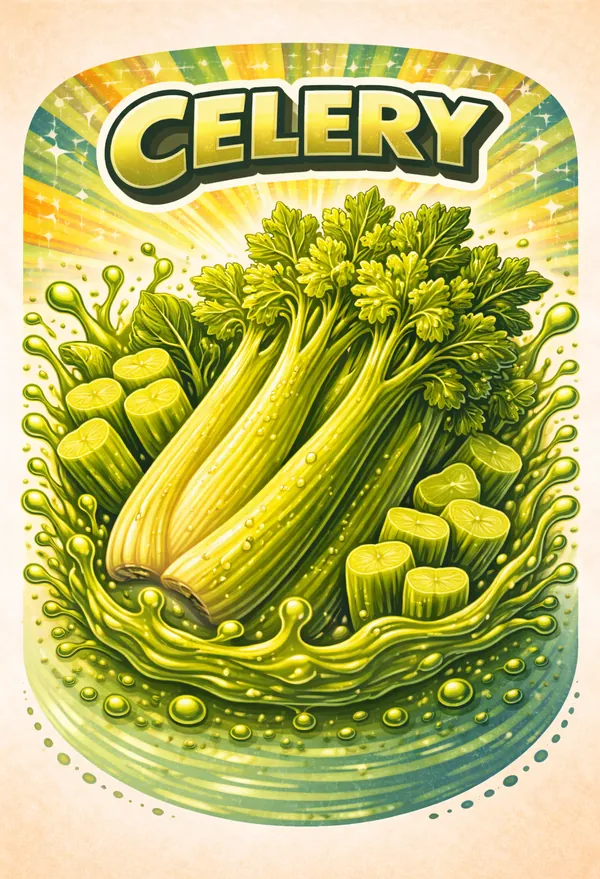
Celery is a distinctive ingredient used for fresh, green aromatic notes, savory depth, and vegetable-forward positioning. In bulk manufacturing, celery is commonly sourced as NFC juice or juice concentrate for dosing into wet systems, celery powder for dry blends and seasoning systems, and puree or frozen cuts for soups, sauces, prepared foods, and culinary applications.

What celery contributes

  • Aromatic profile: bright, green, savory “celery” character
  • Formulation flexibility: wet dosing (juice/concentrate) or dry dosing (powder)
  • Functional use cases: seasoning systems, soups, sauces, prepared foods, beverage blends
  • Program-dependent specs: nitrate targets may be relevant for certain applications

Key considerations for buyers

  • Flavor intensity: celery can dominate—define a sensory target and use level
  • Color variation: green/yellow hue can vary by origin and process
  • Nitrate (when required): specify targets and request supporting documentation/testing
  • Allergen programs: some markets treat celery as an allergen—request allergen statements if needed

Tip: Tell us your application category (soups/sauces, seasonings, beverage blends, processing inputs). We’ll recommend the best format and a buyer-ready spec checklist.

Available formats

Frozen

Frozen celery supports year-round manufacturing and consistent prep yields. Supplier programs may include diced, sliced, or blends (program-dependent).

What buyers specify

  • Cut: diced, sliced, or custom prep (program-dependent)
  • Piece size distribution + broken % tolerance
  • Defects/foreign material limits + sorting level
  • Micro specs, lot traceability, and shelf-life
  • Frozen chain requirements, cases/pallet configuration

Typical applications

  • Soups, stews, sauces, and ready meals
  • Foodservice prep and meal kits
  • Savory vegetable blends (mirepoix-style systems)
  • Low-heat processes where fresh notes matter

Celery Juice Concentrate

Celery juice concentrate is used when you need efficient logistics and consistent dosing into wet formulations. Concentrate is typically specified by °Brix and sensory profile.

What buyers specify

  • Target °Brix range (program-dependent)
  • pH/acidity and sensory target (green/bright vs. more cooked notes)
  • Color expectations (natural variation by crop and process)
  • Micro limits, shelf-life, and handling/storage requirements
  • Nitrate target (if applicable) + supporting COA/testing expectations
  • Packaging: drums/totes; ambient/chilled/frozen logistics (program-dependent)

Typical applications

  • Soups, sauces, and savory bases
  • Seasoning pastes and wet spice systems
  • Vegetable beverage blends (program-dependent)
  • Processing inputs where consistent dosing is required

Tip: If nitrate specification matters for your program, request a defined target range and lot-level verification requirements.

NFC Celery Juice

Not-From-Concentrate celery juice is typically selected for a fresher sensory profile. It is commonly shipped chilled or frozen depending on program.

What buyers specify

  • Single-strength solids and pH (program-dependent)
  • Chilled vs. frozen logistics and shelf-life targets
  • Micro targets and intended-use requirements
  • Filtration/clarity expectations (when applicable)
  • Nitrate target (if applicable) + documentation requirements

Typical applications

  • Premium savory beverage blends
  • Wet formulations where freshness is prioritized
  • Clean-label programs requiring minimal processing (program-dependent)

Celery Powder

Celery powder is used for dry handling and easy incorporation into seasoning blends, dry mixes, and snack systems. Programs may include vegetable powders and juice powders (supplier-dependent).

What buyers specify

  • Moisture target, flowability, and caking tolerance
  • Particle size / mesh (blend uniformity and mouthfeel)
  • Aroma/flavor intensity (celery can be potent)
  • Color expectations and batch-to-batch tolerance
  • Nitrate target (if applicable) + test method/documentation expectations
  • Packaging: lined bags/cases; shelf-life targets

Typical applications

  • Seasoning blends, bouillon-style systems, dry soup mixes
  • Snack coatings and savory powders
  • Dry rubs, spice blends, and culinary dry mixes
  • Processing programs requiring standardized powder input (program-dependent)

Tip: If you’re blending at high speed, specify anti-caking expectations and target moisture to protect flowability in storage.

Celery Puree

Celery puree provides a stronger “whole-vegetable” character and can add body and texture to savory products. It is commonly used in soups, sauces, and prepared foods.

What buyers specify

  • Solids / °Brix (or solids %) and pH (as applicable)
  • Sieve / particle size (smooth vs. rustic)
  • Viscosity target (pumpability and fill performance)
  • Heat treatment / aseptic requirements (program-dependent)
  • Micro limits, packaging, and shelf-life expectations

Typical applications

  • Soups, sauces, and savory bases
  • Prepared meals, fillings, and spreads
  • Vegetable blends (celery + onion/carrot systems)
  • Foodservice culinary applications

Quick selection guide: which celery format fits your product?

Use this table to shortlist the right format based on process, handling, and sensory goals.

Goal Recommended format Why
Dry blending / seasonings Celery powder Low water activity and easy dosing into spice and snack systems.
Efficient wet dosing Juice concentrate Logistics-efficient with consistent solids for repeatable formulation.
Fresher celery character NFC juice Often preferred when “fresh green” notes are the priority.
Texture + whole-veg character Puree or frozen cuts Adds vegetable identity and mouthfeel to soups, sauces, and meals.

Buyer tip: If your program requires a nitrate spec, include the target range and lot verification expectations in your RFQ.

Typical specifications (what to ask for)

Specs vary by format and program; this checklist helps your team align quickly.

ParameterHow it’s typically specified
Soluble solids (°Brix)Define targets for NFC vs. concentrate; align to dosing and finished flavor intensity.
pH / aciditySpecify a target range to support process and finished sensory balance.
Sensory profileAgree on an intensity target (fresh/green vs. cooked notes) and acceptable variance.
Nitrate (if applicable)Target range + documentation/testing expectations at lot level (program-dependent).
Powder moisture / meshMoisture target, particle size, and flow/caking expectations for storage and blending.
Puree viscosity / sieveViscosity range and sieve/particle size for texture and pumpability.
MicrobiologyLimits per intended use; confirm ready-to-eat vs. cooked applications.
CertificationsUSDA Organic / Kosher / others upon request (where available).
PackagingDrums/totes for liquids; lined bags/cases for powders; cases for frozen cuts.
StorageAmbient/chilled/frozen depending on format and supplier program.

Applications

Common application paths for celery ingredients include:

  • Savory foods: soups, sauces, stews, gravies, meal components
  • Seasonings: bouillon-style blends, dry soups, savory rubs, snack coatings
  • Prepared foods: fillings, spreads, deli-style salads, savory bases
  • Beverage blends: vegetable-forward blends and savory drink concepts (program-dependent)
  • Processing inputs: programs requiring standardized celery-derived components (spec-dependent)

Tip: Share your process (retort/hot-fill/kettle/frozen) and target celery intensity—we’ll recommend the right format and spec ranges.

Packaging & storage guidance

Packaging: Drums and totes are common for juices, concentrates, and some puree programs. Powders typically ship in lined cases or bags. Frozen celery ships in frozen-capable cases and palletization.

Storage: Concentrates may ship ambient, chilled, or frozen depending on the supplier program. NFC and frozen formats generally require cold chain. Powders store ambient in cool, dry conditions.

Documentation: COA and supporting quality documents are typically available. If you need USDA Organic, Kosher, allergen statements, or additional testing (including nitrate verification where applicable), mention it in your inquiry.

Traceability: Industrial programs often include lot IDs and origin information; requirements vary by supplier.

Receiving checklist: verify temperature at receiving (if chilled/frozen), inspect packaging integrity, and release lots against COA and your QA specifications.

Related products

If you’re building savory blends or multi-ingredient programs, these are commonly sourced alongside celery: